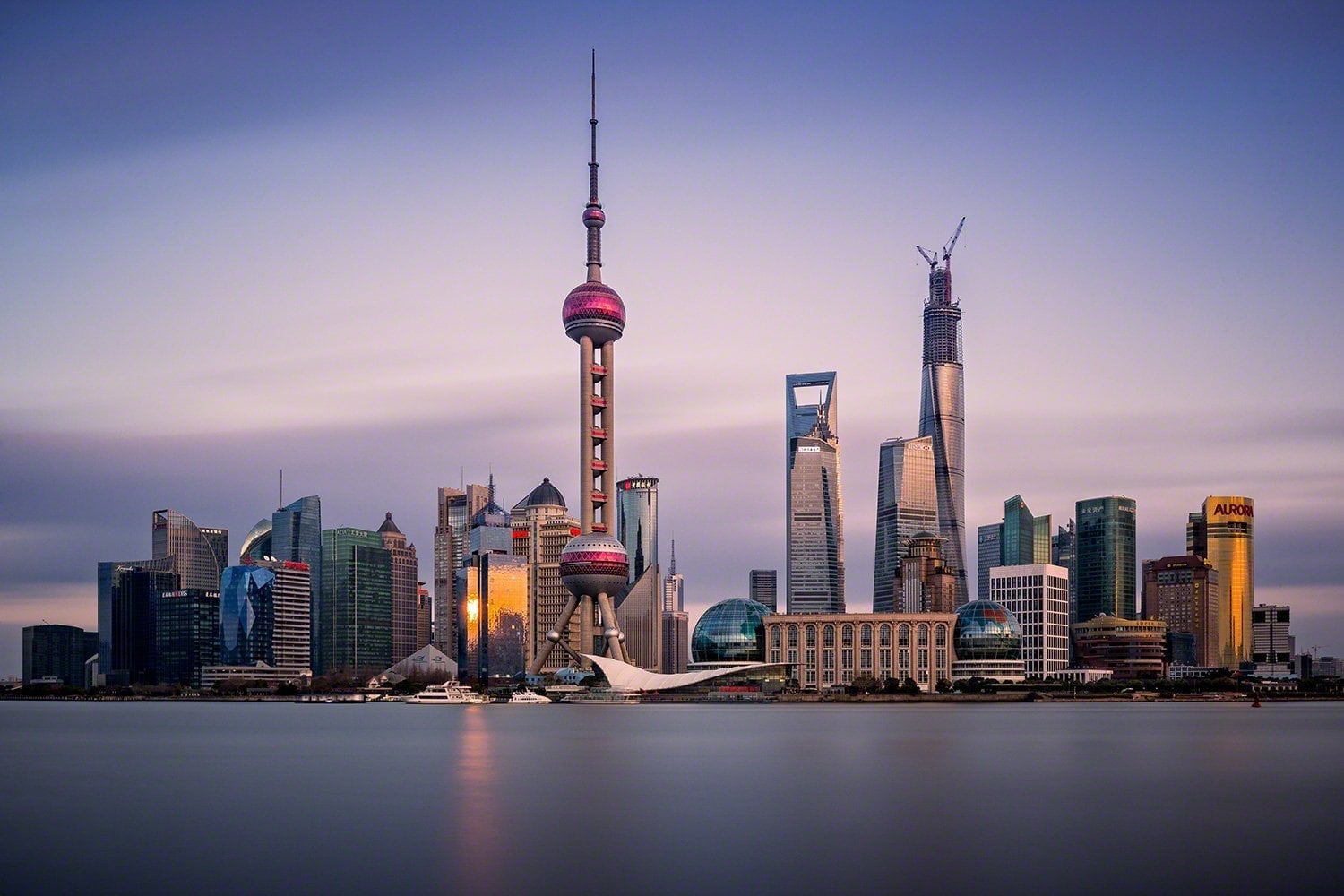
I was raised in Shanghai, China. Indeed, Shanghai is a real metropolis. You might have come across films set there. It is the most populous city in China, boasting over 20 million residents, and ranks among the world's largest metropolitan areas. Shanghai is to China what New York City is to the United States. The city boasts a fascinating history. Prior to 1949, before the establishment of the People's Republic of China, Shanghai was often referred to as the "Paris of the East." Back then, it was Asia's financial hub and a significant global port. Much of Shanghai at that time was colonized by the British, French, and Americans. This influence is evident in some of today's architecture, including high-rise buildings that reflect French, British, and American styles. In the 1920s, Shanghai was said to have "the grandest cathedral in the Far East" built by missionaries, accommodating 2,500 worshipers. Today, Shanghai is a cosmopolitan city distinguished by its financial markets, cutting-edge technology, and high fashion. It remains the most modern and trendy city in China.
There is a story about a man who loved eating so much that he became a cook. This allowed him to spend his days in the kitchen cooking and enjoying his meals. When I was young, I was often sick and wanted to become a doctor to heal myself. Interestingly, neither of my parents were doctors. My father was a noted journalist, while my mother was a biologist. My decision to enter medicine stemmed from my own experiences. Born prematurely, I was a frail and frequently sick child. I visited the ER, hospital, and doctor’s office regularly. We were lucky to have these facilities reachable by public transport or short walks. Mostly I contended with colds, flu, allergies, and asthma. Although I avoided life-threatening illnesses, I was frequently ill. Doctors and nurses often recognized me by name. This continued from childhood through adolescence. My grandmother and parents cared for me tenderly. I frequently consumed Chinese herbs and ate healthily. I’ve enjoyed good health since then.
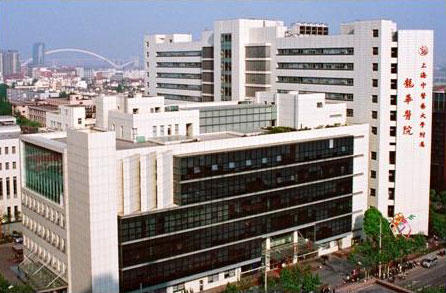
My childhood experiences taught me that being sick is no fun at all. My dream wasn’t to save the world, but to cure all its diseases. In 1979, I was admitted to the  Shanghai University of Traditional Chinese Medicine, one of the most prestigious traditional Chinese medical schools in China. I had the choice to major either in Western medicine or Chinese medicine. I chose Chinese medicine due to my childhood experiences. I also had severe sinusitis, shingles, and eczema while growing up. My parents initially took me to Western medicine doctors, but Western medicine did not work for me. Later, they took me to Chinese medicine doctors. I received Chinese herbs and acupuncture treatments and was cured. So, I became a doctor and my dream came true. I worked in the teaching hospital at my medical school for over six years before moving to the United States in 1991. I learned from some of the most renowned Traditional Chinese Medicine doctors in China and gained extensive clinical experience. I often treated 80 to 100 patients in two to three days, six to seven days a week.
My clinical experience and education in China have been priceless. It endowed me with a much deeper, richer understanding of Traditional Chinese Medicine, preparing me to handle the complex cases I now manage daily. In China, we employ a blend of Western medicine and Traditional Chinese Medicine in hospitals. Western medicine excels with trauma and acute cases, while acupuncture is superior for chronic conditions and pain. I believe the fusion of Western medicine and TCM remains the ideal approach.
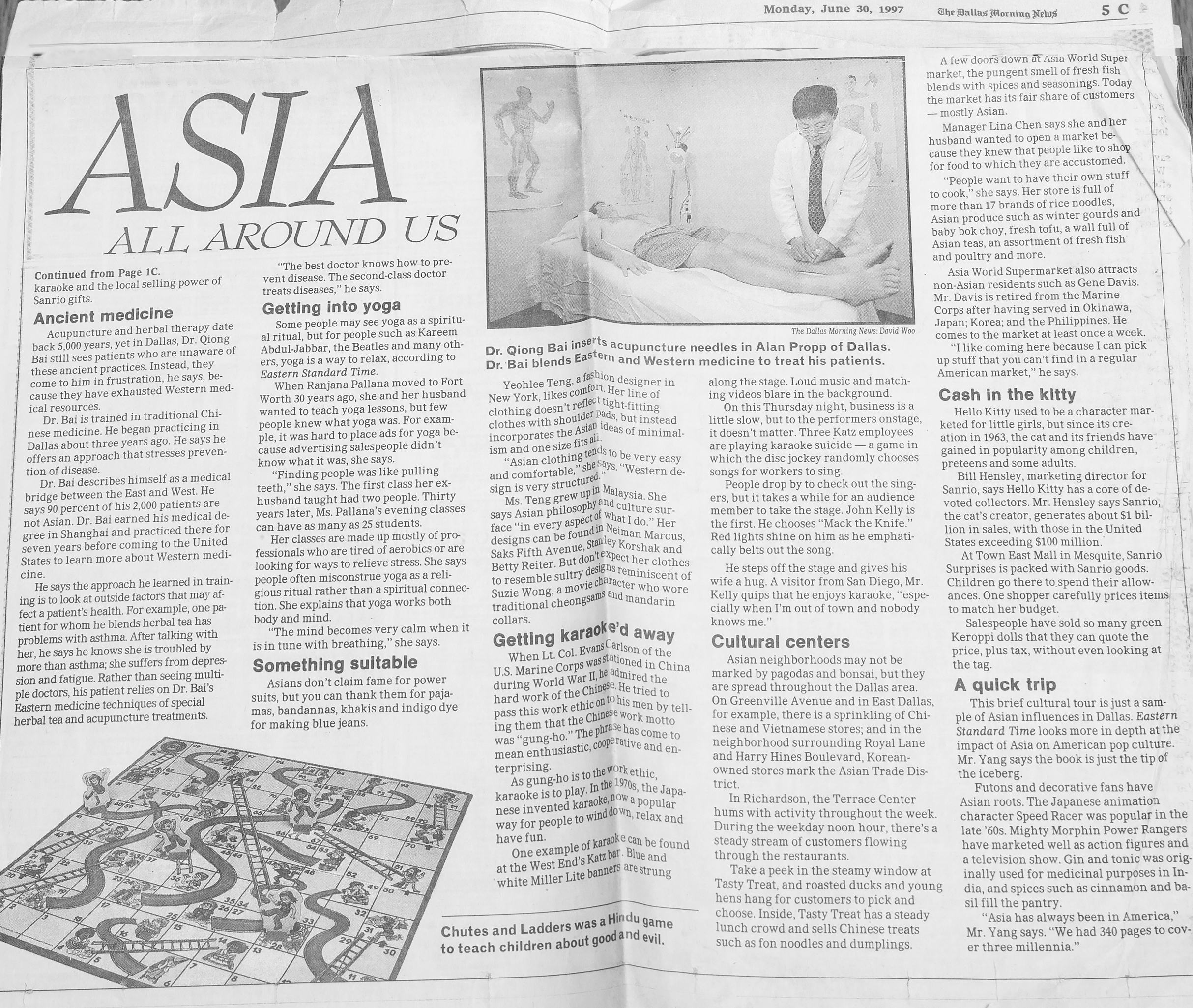
In 1992, I taught at the Colorado Chinese Medicine University It was an enriching experience that deepened my understanding of traditional Chinese medicine. in Denver, Colorado at a time when interest in alternative medicine was just beginning to take hold in the United States. My students were so passionate to learn about Traditional Chinese Medicine that many of them had left their previous careers to study acupuncture. However, when I moved my practice to Dallas, Texas in 1993, I found that the average person still had little or no knowledge about this form of medicine, which had been used in China for 5,000 years. Since my clinic was one of only a few acupuncture clinics open at that time, I felt a big responsibility to educate everyone about the marvelous benefits of acupuncture. Many of my patients were desperate and came as a last resort. Most had been suffering for years and had already seen ten to fifteen doctors. For my patients, it was as though they had discovered a treasure. Even today, as TCM grows in popularity, I still see more and more of these types of cases. Some patients want to avoid surgery and seek a more natural form of healing. Many have already had surgery along with numerous drugs and are still in pain. Some can no longer tolerate the side effects of their medications, and often have become addicted to them. There are also those who come seeking emotional and physical well-being and those who are using acupuncture in conjunction with Western medicine, i.e. infertility patients who want to increase their chances of becoming pregnant while undergoing IVF; cancer patients who rely on acupuncture to boost their immune systems, ease their pain, and alleviate toxins resulting from chemotherapy and radiation treatment.
Over my 30-year career in Dallas, Texas, I have cared for patients of all ages and backgrounds, always with heartfelt dedication. My patients are like a large family, and I truly care about each of them. I frequently receive referrals from Western doctors and chiropractors who trust me with their most challenging cases, such as brain injuries, strokes, Bell’s palsy, cancer, and infertility. I welcome these challenges and deeply value the confidence placed in me. Additionally, some Western doctors seek my help for their own health concerns. I am profoundly grateful to my patients for entrusting me with the care of their loved ones, friends, and colleagues. As a doctor, I always remember being a young patient. This remembrance has taught me compassion and empathy. I consistently consider what it feels like to be in my patients' shoes, to truly understand their pain and needs. Although many patients might share the same diagnoses, each is distinct and remarkable. My patients hold great importance to me. I endeavor to provide the best care with love, and I am deeply dedicated to my calling. Being a great healer is my passion.

 Chinese Medicine,
 Dr. Bai held a faculty appointment at the